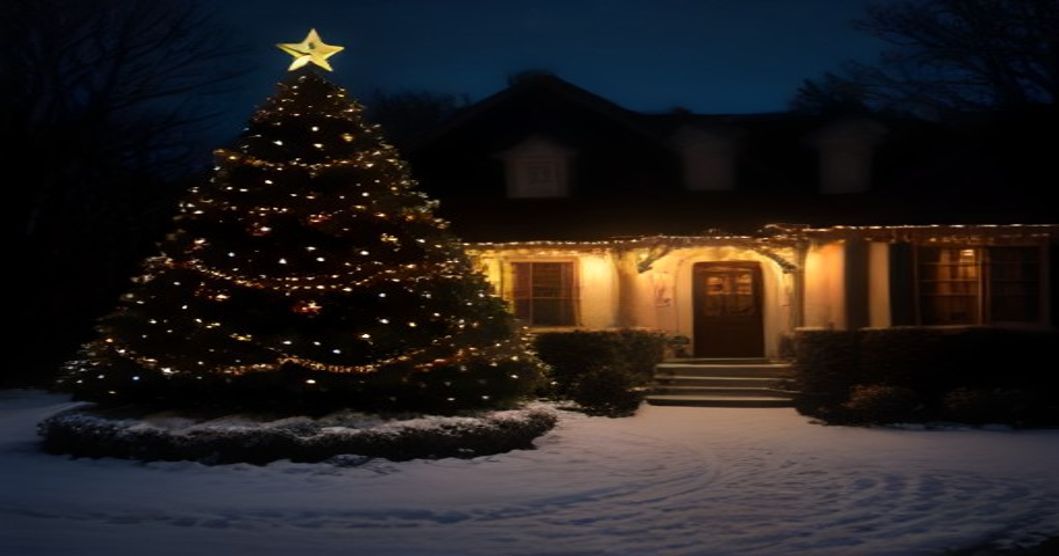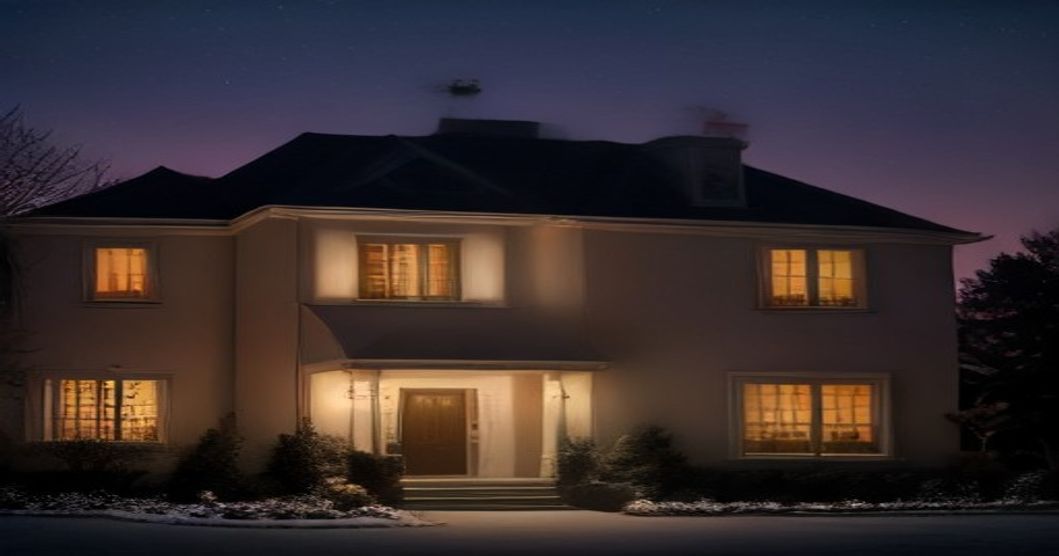
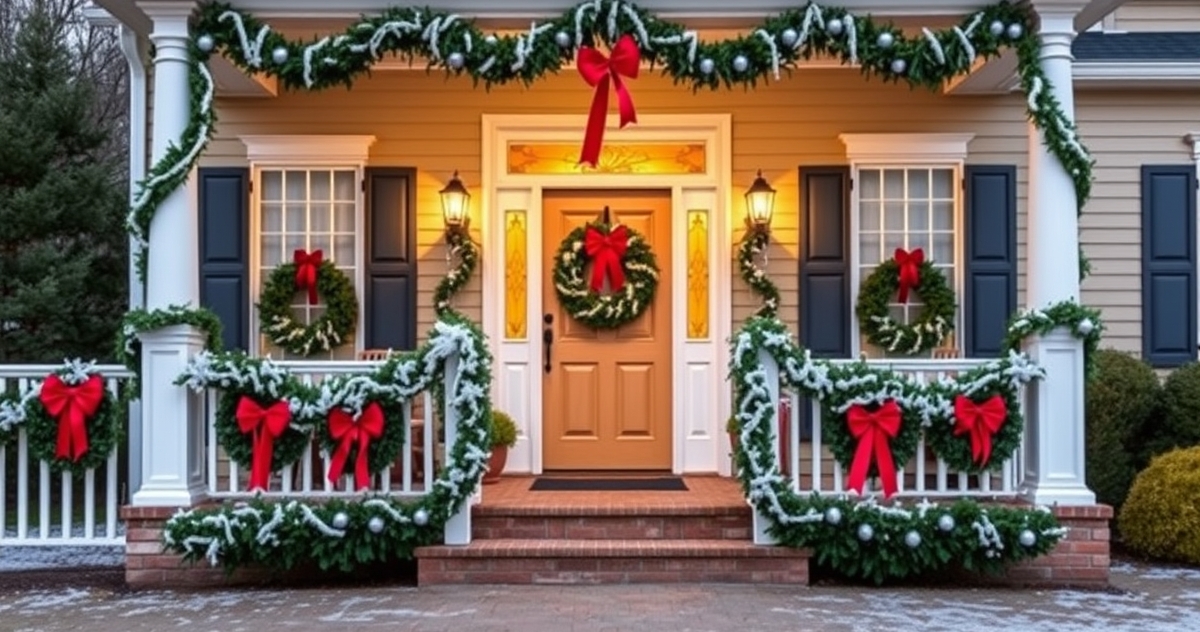
The cobblestone streets of Princeton's Historic District transform into a winter wonderland each December, where warm white C9 bulbs cast a gentle glow on colonial facades and Federal-style mansions. This delicate balance between honoring 18th-century architecture and celebrating modern holiday traditions requires careful planning, respectful design, and deep understanding of preservation guidelines.
Princeton's historic district, home to structures dating back to the 1750s, presents unique opportunities and challenges for holiday lighting enthusiasts. The key lies in selecting lighting styles that complement rather than compete with the architectural integrity that makes this New Jersey treasure so special.
Understanding Princeton's Historic Preservation Guidelines
Princeton Township and Princeton Borough (now merged as Princeton Municipality) maintain strict historic preservation standards that govern exterior modifications, including temporary holiday decorations. These guidelines ensure that Princeton Christmas lights historic district installations respect the area's colonial heritage while allowing residents to participate in seasonal celebrations.
The Historic Preservation Commission requires that all exterior lighting installations be reversible and non-damaging to historic structures. This means no permanent attachments to original shutters, brick mortar, or historic trim. Professional installers working in the district must demonstrate expertise in historic building techniques and possess the specialized equipment necessary for damage-free installation.
Warm white lighting receives particular favor in historic districts because it mimics the soft glow of candlelight and gas lamps that would have illuminated these streets centuries ago. The subtle amber tones complement the weathered brick, aged wood, and natural stone materials found throughout Princeton's colonial architecture.
Property owners must also consider the visual impact on neighboring historic structures. A lighting design that appears beautiful on one home should enhance rather than overwhelm the streetscape's overall historic character.
Classic Lighting Styles That Honor Architecture
Traditional C9 bulbs remain the gold standard for Princeton Christmas lights historic district applications. These larger bulbs, spaced 12 to 18 inches apart along rooflines, create the classic American Christmas aesthetic that complements colonial and Federal architecture beautifully. The substantial size of C9 bulbs provides sufficient illumination without requiring dense clustering that might appear modern or commercial.
Window candles represent another historically appropriate option, echoing the colonial tradition of placing candles in windows to welcome travelers. Modern LED versions provide the same warm glow while eliminating fire hazards associated with real candles. These simple displays work particularly well in multi-pane colonial windows, where each pane can feature a single candle.
Garland installations around doorways and windows follow patterns that colonial residents would recognize. Simple evergreen garlands with minimal ornamentation, perhaps accented with burgundy or deep gold ribbon, maintain period authenticity while adding festive appeal.
Professional installers understand that restraint often creates more impact than excess in historic settings. A perfectly executed roofline of warm white C9 bulbs can transform a colonial home into a holiday showcase while maintaining its architectural dignity.
Professional Installation Techniques for Historic Properties
Working with historic structures requires specialized knowledge and equipment that typical DIY installations cannot provide. Professional installers use clip systems designed specifically for colonial gutters, cedar shingles, and slate roofs common in Princeton's historic district.
Modern installation techniques include magnetic clip systems for steel gutters, specialized shingle clips that distribute weight evenly across cedar surfaces, and temporary anchor points that avoid penetrating historic materials. These methods ensure that Princeton Christmas lights historic district installations can be completely removed each season without leaving permanent marks or damage.
Electrical considerations become particularly complex in historic properties. Many colonial-era homes feature updated electrical systems that may not support extensive lighting loads. Professional installers conduct thorough electrical assessments and often recommend LED conversions to reduce power consumption while maintaining desired lighting effects.
Weather protection also requires special attention in historic installations. Salt air challenges affect Princeton less than coastal areas, but winter moisture and freeze-thaw cycles can damage both lights and historic building materials. Professional installations include proper weatherproofing and drainage considerations.
Tree lighting in historic districts requires particular sensitivity. Many of Princeton's street trees are centuries old and protected by municipal ordinances. Professional tree wrapping techniques ensure that lighting installations support rather than stress these living landmarks.
Balancing Modern Technology with Historic Character
LED technology offers significant advantages for historic district lighting, including reduced heat generation, lower power consumption, and longer lifespan. However, not all LED products provide the warm color temperature that complements historic architecture. Professional installers select LED bulbs with color temperatures between 2200K and 2700K to achieve the soft, warm glow that enhances rather than clashes with period materials.
Smart lighting controls can enhance historic district installations while remaining invisible to observers. Programmable timers, gradual dimming capabilities, and remote monitoring systems allow homeowners to maintain consistent, appropriate lighting levels throughout the season. These modern conveniences operate behind the scenes, preserving the traditional aesthetic while providing contemporary functionality.
Integration with existing landscape lighting requires careful coordination. Many Princeton historic properties feature year-round pathway and security lighting that must complement seasonal decorations. Professional designers create cohesive lighting plans that transition smoothly between permanent and temporary installations.
Modern installation materials also support historic preservation goals. Contemporary clip systems, weather-resistant wiring, and corrosion-resistant fixtures ensure that temporary installations don't cause long-term damage to irreplaceable historic materials.
Neighborhood Coordination and Community Standards
Princeton's historic district benefits from informal coordination among residents who share similar aesthetic values and respect for architectural heritage. Many neighborhoods establish loose guidelines for lighting colors, installation timing, and overall scale to maintain visual harmony throughout the district.
Community organizations, including the Princeton Historical Society and various neighborhood associations, sometimes provide resources and recommendations for appropriate holiday lighting approaches. These groups understand that collective restraint often creates more dramatic individual impact than competitive escalation.
Professional lighting companies working in Princeton's historic district often maintain portfolio examples specific to colonial, Federal, and Victorian architectural styles. These references help homeowners visualize appropriate options while ensuring installations complement both individual properties and neighborhood character.
Timing coordination also supports community harmony. Most Princeton historic district residents prefer installation schedules that avoid conflicts with local events, university activities, and seasonal tourism peaks that bring additional visitors to admire the area's holiday displays.
Seasonal Maintenance in Historic Settings
Historic district installations require more frequent monitoring than typical residential lighting due to the age and sensitivity of supporting structures. Professional maintenance schedules include regular inspections of attachment points, electrical connections, and weatherproofing systems throughout the holiday season.
Snow and ice removal around historic properties demands special care to avoid damaging both lighting installations and historic building materials. Professional services include safe snow removal techniques that protect gutters, shutters, and architectural details while maintaining lighting functionality.
End-of-season removal requires the same careful attention as initial installation. Professional services document attachment points and storage requirements to ensure that subsequent installations can proceed efficiently while maintaining the same high standards of historic preservation.
Frequently Asked Questions
What lighting colors work best in Princeton's Historic District?
Warm white lights with color temperatures between 2200K-2700K work best because they complement historic building materials and mimic the soft glow of period lighting. These colors enhance brick, stone, and aged wood without creating harsh contrasts that detract from architectural character.
Do I need special permits for holiday lighting in Princeton's Historic District?
While temporary holiday lighting typically doesn't require permits, installations must comply with historic preservation guidelines. Properties listed on the National Register or designated as local landmarks may have additional requirements. It's best to consult with the Historic Preservation Commission for complex installations.
How long should I keep holiday lights up in a historic district?
Most Princeton historic district residents follow traditional timing: installations after Thanksgiving, peak display from December 1st through early January, and removal by mid-January. This schedule respects both community standards and the temporary nature required by preservation guidelines.
Can I use LED lights on a historic home?
Yes, LED lights are often preferred for historic properties because they generate less heat and consume less power, reducing stress on older electrical systems. Choose LED bulbs with warm color temperatures (2200K-2700K) to maintain the appropriate aesthetic for historic architecture.
What's the best way to attach lights to historic building materials?
Professional clip systems designed for specific materials (cedar shingles, slate roofs, colonial gutters) provide secure attachment without permanent damage. Never use nails, screws, or staples on historic materials. Professional residential installation ensures proper techniques that preserve architectural integrity.
Princeton's Historic District offers a unique opportunity to celebrate the holidays while honoring our architectural heritage. The combination of thoughtful design, appropriate technology, and professional installation techniques ensures that these cherished neighborhoods can embrace modern holiday traditions while preserving the character that makes them special. For homeowners seeking to create memorable holiday displays that respect Princeton's historic legacy, custom design services provide the expertise necessary to achieve this delicate balance. Professional installers understand both the technical requirements and aesthetic sensibilities that make Princeton Christmas lights historic district installations truly exceptional. Browse our gallery to see examples of successful historic district lighting that honors the past while celebrating the present.