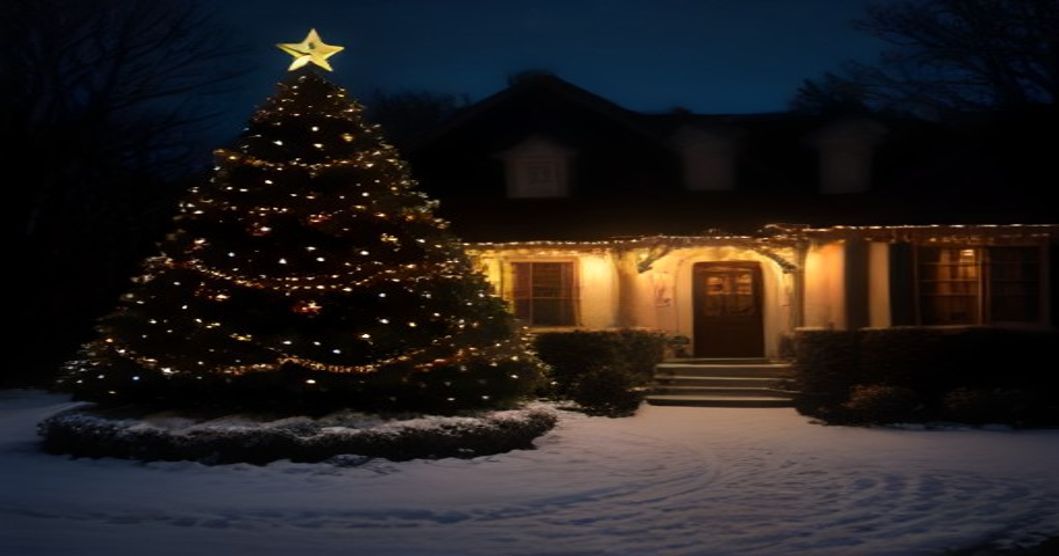
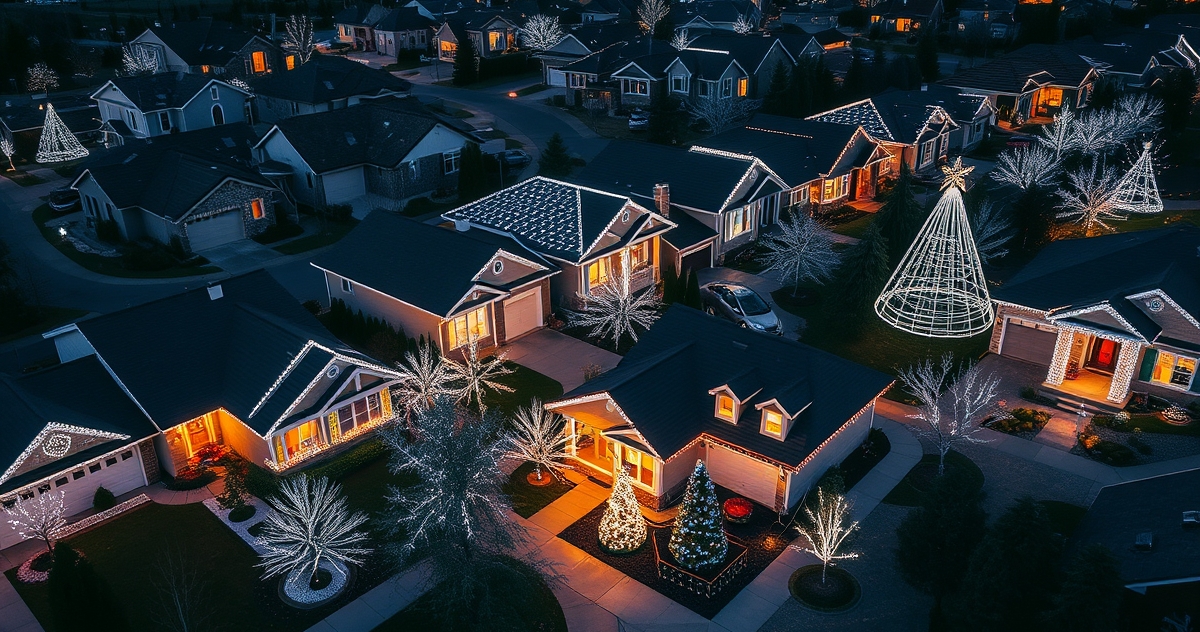
The January nor'easter that brought down half the neighborhood's Christmas lights didn't touch the professionally installed displays. While other homeowners were untangling broken strands from their gutters and picking shattered bulbs out of snow drifts, the expertly weatherproofed installations continued glowing through the storm. This stark contrast illustrates why weather-resistant installation techniques matter so much for New Jersey property owners.
New Jersey's climate presents unique challenges for outdoor lighting installations. From the salt air along the shore to the ice storms that sweep through Morris and Bergen counties, our state demands lighting systems built to endure. Professional weather-resistant installation doesn't just prevent holiday disasters — it protects your investment for years of reliable seasonal beauty.
Professional-Grade Connectors: The Foundation of Durability
The difference between amateur and professional holiday lighting installations often comes down to the connections. Those twist-on wire nuts from the hardware store might work for indoor projects, but they're no match for New Jersey's winter weather. Professional installers use commercial-grade connectors specifically designed for outdoor conditions.
Commercial-grade splicers create watertight seals that prevent moisture infiltration — the number one cause of electrical failures in outdoor lighting. These specialized connectors feature gel-filled chambers that seal around wires, preventing corrosion even when submerged in standing water. When your cool white C9 bulbs along the roofline stay lit through December's freezing rain and January's ice storms, you're seeing professional-grade connections at work.
The investment in quality connectors pays dividends throughout the season. While inferior connections fail after the first major storm, professional-grade systems maintain reliable electrical flow regardless of weather conditions. This reliability is especially crucial for commercial installations where lighting failures can impact business operations during the peak holiday shopping season.
Beyond weather resistance, professional connectors support system expandability and maintenance. Properly installed connections allow for easy troubleshooting and bulb replacement without compromising the entire display's integrity. This modularity proves invaluable when individual sections need attention or when expanding existing installations.
Proper Mounting Techniques: Withstanding Wind and Ice
New Jersey's coastal winds and winter ice loads test every aspect of holiday lighting installations. Professional mounting techniques distribute these forces across multiple attachment points, preventing the catastrophic failures that plague amateur installations. The key lies in understanding both the structure you're attaching to and the forces your display will encounter.
For roofline C9 installations, professional techniques involve spacing clips every 12-18 inches along the gutter line, rather than the 24-inch spacing many homeowners attempt. This closer spacing distributes wind loads more effectively and prevents the sagging that leads to bulb damage. Each clip must be properly seated and secured to handle not just the weight of the lights, but the additional load from ice accumulation and wind pressure.
Mini light installations on bushes and trees require different approaches to mounting. Professional installers understand how to secure lights to branches without damaging the plant while ensuring the installation can flex with winter winds. Proper techniques include using specialized tree-friendly clips and avoiding wire wrapping that can girdle growing branches.
The mounting strategy extends beyond individual attachment points to the overall system design. Professional installations include strategic anchor points that prevent cascade failures — where one section's failure doesn't bring down the entire display. This redundancy is particularly important for extensive residential installations covering multiple rooflines and landscape features.
Seasonal Inspection Protocols: Preventing Damage Before It Happens
Weather-resistant installation extends beyond the initial setup to include comprehensive seasonal inspection protocols. Professional installers know that even the best materials and techniques require ongoing monitoring to maintain peak performance throughout New Jersey's challenging winter months.
Pre-season inspections identify potential failure points before they become problems. This includes checking connection integrity, testing GFCI circuits, and verifying that mounting hardware remains secure. Professional inspectors look for signs of wear, corrosion, or stress that might compromise the system's weather resistance during peak winter conditions.
Mid-season inspections become crucial after major weather events. New Jersey's winter storms can deposit ice loads that exceed design parameters or generate winds that stress mounting systems. Professional monitoring identifies these issues early, allowing for preventive maintenance rather than emergency repairs during the height of the holiday season.
The inspection protocol includes testing all electrical systems under load to ensure proper amperage distribution. Overloaded circuits become fire hazards, especially when combined with moisture infiltration from damaged connections. Professional installations include proper load calculations and circuit protection that amateur installations often lack.
Documentation during inspections creates valuable maintenance records for future seasons. Understanding how different parts of your installation respond to various weather conditions allows for targeted improvements and proactive replacements. This data-driven approach to maintenance maximizes the lifespan of your lighting investment.
Material Selection: Built for New Jersey Conditions
Weather-resistant installation begins with selecting materials specifically rated for outdoor use in challenging climates. The difference between indoor-rated and outdoor-rated components becomes critical when installations face New Jersey's temperature swings, moisture exposure, and UV radiation from reflected snow.
Professional-grade C9 bulbs feature weatherproof sockets and UV-resistant lenses that maintain their clarity and color consistency throughout the season. Cool white LEDs, in particular, benefit from quality lens materials that prevent the yellowing and cloudiness that plague cheaper alternatives. The initial investment in quality bulbs pays dividends in consistent light output and reduced maintenance requirements.
Wire and cable selection plays an equally important role in weather resistance. Professional installations use outdoor-rated extension cords and permanent wiring that can handle temperature extremes without becoming brittle or losing flexibility. Quality wiring maintains its insulation properties even when subjected to ice formation and thermal cycling.
Mounting hardware must resist corrosion while maintaining structural integrity under load. Stainless steel clips and fasteners prevent rust staining on gutters and siding while ensuring secure attachment throughout the season. Professional installers understand which materials work best for different architectural elements and environmental exposures.
System Design for Resilience
True weather resistance comes from thoughtful system design that anticipates failure modes and incorporates redundancy where needed. Professional installations don't just survive New Jersey winters — they're designed to thrive in challenging conditions while maintaining consistent performance and visual appeal.
Circuit design plays a crucial role in system resilience. Professional installations distribute loads across multiple circuits to prevent total system failure from a single GFCI trip or breaker activation. This distribution also allows for selective troubleshooting and maintenance without dark sections during the holiday season.
The integration of smart controls and monitoring systems adds another layer of weather resistance. Modern permanent lighting systems include remote monitoring capabilities that alert property owners to system issues before they become visible problems. This proactive approach to maintenance proves especially valuable for commercial and municipal installations where lighting failures can impact public safety or business operations.
Drainage considerations often separate professional installations from amateur attempts. Proper system design includes provisions for water drainage around electrical connections and mounting points. This attention to detail prevents the ice formation and standing water that cause most weather-related failures.
Professional installations also incorporate expansion and contraction allowances that accommodate the thermal cycling common in New Jersey winters. Rigid installations crack under stress, while properly designed systems flex with temperature changes without compromising electrical connections or structural integrity.
Maintenance and Longevity Strategies
Weather-resistant installation extends the useful life of holiday lighting systems far beyond what homeowners achieve with temporary setups. Professional maintenance strategies protect this investment while ensuring consistent performance season after season.
Off-season storage protocols maintain component integrity between installations. Professional systems often incorporate removable elements that can be properly cleaned, inspected, and stored in controlled environments. This care prevents the gradual degradation that shortens the lifespan of constantly exposed installations.
Component replacement schedules based on performance data rather than arbitrary timelines maximize system reliability. Professional installers track bulb performance, connection integrity, and mounting hardware condition to predict replacement needs before failures occur. This proactive approach prevents mid-season surprises and maintains consistent lighting quality.
The documentation and tracking systems used by professional installers create valuable databases for optimizing future installations. Understanding which materials and techniques perform best under specific conditions allows for continuous improvement in weather resistance and system reliability.
Professional maintenance includes regular testing of safety systems, particularly GFCI protection and grounding systems. These safety elements become even more critical in weather-exposed installations where moisture infiltration poses ongoing risks. Regular testing ensures these protective systems function properly when needed most.
Frequently Asked Questions
How long should professional weather-resistant Christmas lights last in New Jersey?
Professional-grade installations with quality LED bulbs and proper mounting typically last 5-7 years with minimal maintenance. The weather-resistant techniques and commercial-grade materials used by professionals extend lifespan significantly compared to consumer-grade temporary installations that may only last 1-2 seasons under New Jersey's harsh winter conditions.
What makes professional connectors different from hardware store alternatives?
Professional connectors feature gel-filled chambers that create watertight seals around wire connections, preventing moisture infiltration and corrosion. They're designed specifically for outdoor use and can withstand submersion, unlike twist-on wire nuts that fail when exposed to New Jersey's winter moisture and temperature cycling.
Do weather-resistant installations require special electrical considerations?
Yes, professional installations include proper GFCI protection, load calculations for each circuit, and grounding systems designed for outdoor exposure. Professional installers also use outdoor-rated extension cords and permanent wiring that maintains flexibility and insulation properties in extreme temperatures, preventing the electrical failures common with indoor-rated materials.
How do professional mounting techniques differ from DIY approaches?
Professional mounting uses closer clip spacing (every 12-18 inches vs. 24 inches), commercial-grade hardware resistant to corrosion, and mounting strategies that distribute wind and ice loads across multiple attachment points. This prevents the sagging and catastrophic failures that plague amateur installations during New Jersey's winter storms.
What maintenance is required for weather-resistant lighting systems?
Professional systems require pre-season inspections, mid-season checks after major weather events, and post-season maintenance including cleaning and proper storage. This includes testing electrical connections, verifying mounting integrity, and documenting performance data to optimize future installations and prevent failures before they occur.
The difference between a lighting display that survives one season and one that provides years of reliable holiday beauty lies in professional weather-resistant installation techniques. From commercial-grade connectors to strategic system design, every element must work together to withstand New Jersey's challenging climate. When you're ready to protect your lighting investment with professional installation methods that stand up to whatever weather our state can deliver, contact Holiday Lights Decor New Jersey at (332) 333-1155 to discuss your weather-resistant lighting needs.