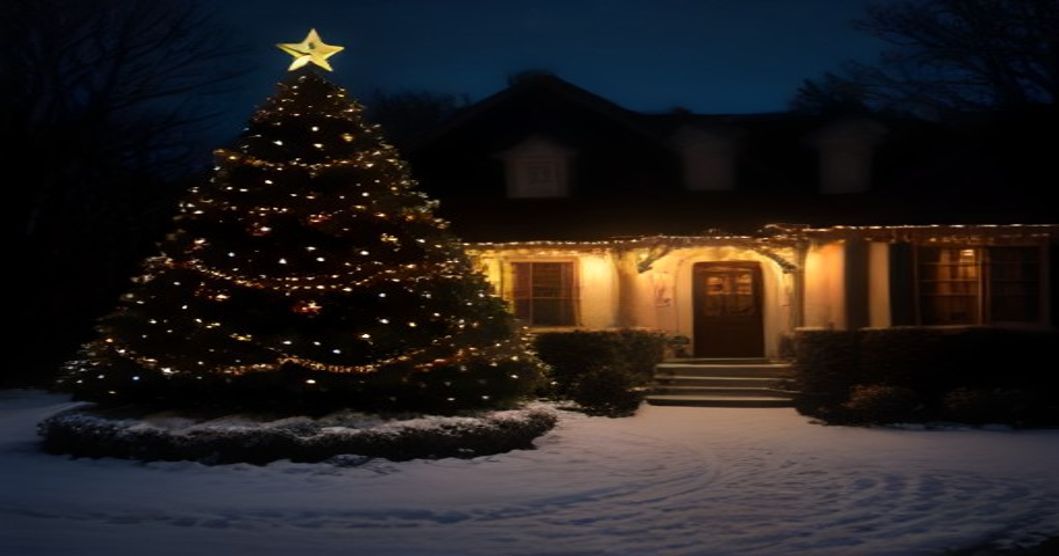

The last frost has melted away from your roofline, revealing what winter left behind. Those warm white C9 bulbs that glowed so brilliantly through December now show signs of New Jersey's harsh seasonal weather — loose connections, dimmed bulbs, and weathered fixtures telling the story of nor'easters and ice storms.
Professional outdoor lighting maintenance isn't just about holiday prep — it's about protecting your investment year-round. Whether you run permanent lighting systems or store seasonal displays, spring marks the perfect time for a thorough inspection that prevents costly replacements and ensures peak performance when you need it most.
Why Spring Maintenance Matters in New Jersey
New Jersey's climate puts outdoor lighting through extremes. Coastal communities face salt air corrosion, while inland areas endure temperature swings from single digits to seventies within weeks. Snow loads stress roofline installations, ice expands in connection points, and UV exposure from longer spring days begins degrading plastic components.
The financial impact is real: a single failed connection can cascade through an entire circuit, potentially damaging dozens of bulbs. A loose C9 socket exposed to spring rain can short an entire roofline display. These failures don't announce themselves until you flip the switch for your next event — too late for quick fixes.
Smart homeowners use April and May for methodical maintenance, catching small issues before they become expensive problems. This proactive approach extends equipment life by years, not months.
Essential Spring Inspection Checklist
Visual Damage Assessment
Start with a comprehensive walk-around, examining every fixture, cable, and connection point. Look for obvious damage first:
- Cracked or broken bulbs — C9 bulbs are particularly susceptible to thermal shock from rapid temperature changes
- Loose or missing sockets — Ice expansion can push sockets out of their housings
- Frayed or pinched wires — Snow loads and ice dams often stress cables beyond their limits
- Corroded connection points — Especially critical in coastal New Jersey where salt air accelerates oxidation
- Sagging or displaced mounting hardware — Gutter clips and roofline attachments often shift during winter storms
Electrical System Testing
Before handling any electrical components, ensure all circuits are off at the breaker. Test each circuit systematically:
GFCI Protection: Press test and reset buttons on all outdoor GFCI outlets. Replace any that fail to trip or reset properly — moisture intrusion is common after winter freeze-thaw cycles.
Timer and Control Systems: Verify digital timers maintained their programming through power outages. Test remote controls and smart home integrations, replacing batteries as needed.
Connection Integrity: Gently tug each plug connection, checking for looseness or corrosion. Male plugs should seat firmly in female sockets without excessive force or resistance.
Fixture Cleaning and Maintenance
Winter grime significantly reduces light output. A single season of neglect can diminish brightness by 30% or more:
C9 Bulb Cleaning: Remove each bulb and wash in warm, soapy water. Dry completely before reinstalling. Check socket contacts for corrosion — light sandpaper removes minor oxidation, but heavily corroded sockets need replacement.
Mini Light Maintenance: These smaller fixtures collect proportionally more debris in their compact housings. Use compressed air to clear spider webs and debris from socket areas before wiping each bulb clean.
Lens and Reflector Care: Many homeowners overlook reflective surfaces inside fixtures. Clean reflectors restore directional lighting patterns and maximize brightness output.
Addressing Common Winter Damage
Ice Damage and Water Intrusion
New Jersey's freeze-thaw cycles are particularly destructive to outdoor lighting. Ice forms in the smallest gaps, then expands with tremendous force, pushing apart connections and cracking housings.
Inspect every connection point for signs of water intrusion — white corrosion residue, green oxidation, or rust stains indicate moisture problems. Replace damaged weatherproof connections immediately. A $3 connector replacement prevents a $300 circuit failure.
Check mounting points where ice dams may have stressed attachment hardware. Loose gutter clips or shifted mounting brackets create stress points that worsen over time. Tighten or replace hardware now, before adding the weight of next season's displays.
UV and Weather Degradation
Plastic components age visibly after exposure to New Jersey's climate extremes. Socket housings become brittle, wire insulation cracks, and mounting hardware oxidizes.
Pay special attention to south-facing installations that receive maximum UV exposure. These fixtures often need replacement sooner than their shaded counterparts. Budget for gradual replacement rather than waiting for complete failure.
Professional Maintenance vs. DIY Approach
Homeowners can handle basic cleaning and visual inspections, but electrical troubleshooting requires expertise. Professional technicians carry specialized testing equipment that identifies failing components before they cause circuit damage.
Consider professional maintenance for:
- Complex permanent lighting installations with multiple zones and controls
- Commercial-grade systems requiring load calculations and code compliance
- Roofline installations requiring ladder work above single-story height
- Properties with extensive lighting covering multiple buildings or large areas
Professional maintenance visits typically cost less than replacing a single damaged circuit, making them excellent insurance against expensive failures.
Storage and Organization Tips
Proper storage extends equipment life significantly. Clean, dry storage prevents corrosion and pest damage during off-seasons.
Bulb Storage: Warm white C9 bulbs should be stored in their original packaging or similar protective containers. Avoid temperature extremes in attics or basements — climate-controlled areas preserve LED electronics and filament integrity.
Wire Management: Coil mini light strings loosely to prevent stress on internal connections. Tight coiling can break delicate wires at junction points.
Hardware Organization: Store mounting clips, extension cords, and timers in labeled containers. Spring maintenance goes faster when everything is organized and accessible.
Planning for Year-Round Performance
Spring maintenance isn't just about repair — it's about planning for year-round lighting performance. Many New Jersey homeowners now run residential lighting systems for spring graduations, summer entertaining, fall harvest displays, and holiday celebrations.
Document your findings during spring inspection. Note which circuits performed well, which components need watching, and which areas require upgrades. This information guides purchasing decisions and helps prioritize improvements.
Consider upgrading to LED technology during replacement cycles. LED bulbs handle New Jersey's temperature extremes better than incandescent options, and their longer lifespan reduces maintenance frequency.
Frequently Asked Questions
How often should I perform outdoor lighting maintenance in New Jersey?
Professional-grade installations benefit from bi-annual maintenance — thorough spring inspection and fall preparation. Basic systems need minimum annual spring maintenance, with monthly visual checks during active use periods. Coastal properties require more frequent attention due to salt air exposure.
Can I leave C9 bulbs installed year-round on my roofline?
Quality C9 LED bulbs can remain installed year-round if properly maintained. However, UV exposure and weather cycling gradually degrade socket connections and mounting hardware. Plan for component replacement every 3-5 years even with excellent maintenance. Remove bulbs during severe weather warnings to prevent damage.
What's the most common maintenance mistake New Jersey homeowners make?
Neglecting GFCI outlet maintenance tops the list. These critical safety devices fail frequently after winter weather, but homeowners often don't test them until lighting season begins. Monthly GFCI testing prevents dangerous situations and ensures reliable power delivery.
Should I hire professionals for spring lighting maintenance?
Consider professional maintenance for installations requiring ladder work, complex electrical troubleshooting, or commercial-grade systems. Homeowners can handle ground-level cleaning and basic inspection, but roofline work poses safety risks. Professional maintenance typically costs less than replacing damaged equipment.
How do I know if my outdoor lighting needs complete replacement?
Multiple circuit failures, repeated bulb burning, corroded wiring, or mounting hardware failure indicate system-wide problems. If repair costs approach 50% of replacement value, upgrading makes financial sense. LED conversion often pays for itself through reduced maintenance and energy costs within three seasons.
Spring maintenance protects your lighting investment and ensures reliable performance when you need it most. Whether you handle basic cleaning yourself or schedule professional service, don't let winter damage compound into expensive failures. Your future self — and your wallet — will thank you when those warm white C9s illuminate perfectly for next season's celebrations.
Need professional maintenance for your outdoor lighting system? Contact our experienced technicians for comprehensive spring inspections and year-round service programs tailored to New Jersey's demanding climate.