The breeze coming off Barnegat Bay carries something most inland towns never deal with — salt. It settles on rooflines, creeps into electrical connections, and quietly corrodes anything that isn't built to handle it. For Toms River homeowners, that means holiday lighting can't be an afterthought. A display that looks flawless on December 1st can flicker out by mid-month if the wrong materials meet the wrong weather.
Shore-ready Christmas lights in Toms River are a different craft than lighting a home in the suburbs of Bergen County. The wind gusts harder, the moisture lingers, and a nor'easter can roll through right when your warm white C9s are at their brightest. Here's how the right products and the right installation keep your home glowing from Thanksgiving through New Year's — no matter what the coast throws at it.
Why Salt Air Changes Everything for Coastal Christmas Lighting
Salt is the enemy of electrical connections. When salt-laden moisture lands on exposed sockets, plug junctions, or low-quality wire insulation, it accelerates corrosion. That corrosion creates resistance, resistance creates heat, and over a few weeks you get dimming sections, dead runs, or — in the worst case — a tripped circuit on Christmas Eve.
Homes near the Toms River shoreline, Ortley Beach, and the neighborhoods hugging the bay feel this most. The closer you are to the water, the more aggressive the salt exposure. That's why the lighting strategy that works in Princeton's inland estates doesn't automatically translate to a coastal Cape or split-level steps from the sand.
The solution isn't to use less lighting — it's to use better-built lighting, sealed connections, and an installation method designed to shed water and resist wind. That combination is exactly what separates a professional shore display from a string of big-box lights that won't survive the first storm.
C9 Bulbs: The Workhorse of Toms River Rooflines
C9 bulbs are the iconic large bulbs you see crisply outlining a roofline, and they're our go-to for coastal homes for good reason. Their socketed design, when paired with commercial-grade wire and weather-rated connectors, handles salt air far better than cheap disposable strands.
For Toms River homes, we recommend LED C9 bulbs in warm white. Here's why warm white works so well at the shore:
- It complements coastal architecture. The weathered shingles, white trim, and nautical palettes common in shore homes glow beautifully under a soft, golden-white tone rather than a harsh blue-white.
- It reads clearly through ocean haze. On damp, foggy December nights, warm white C9s cut through the mist with a welcoming, lantern-like quality.
- LEDs run cooler and seal tighter. Less heat plus sealed sockets means less opportunity for moisture-related failure.
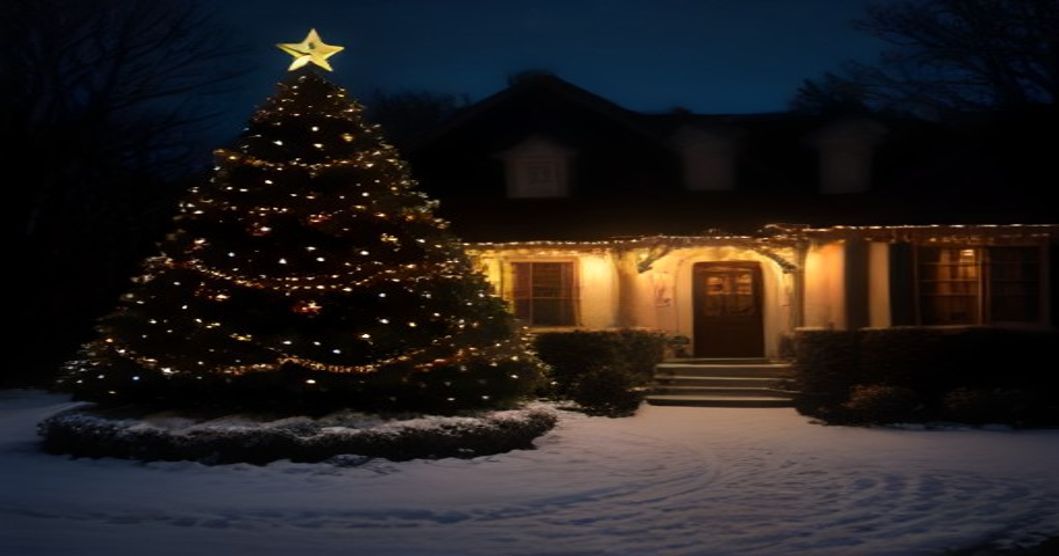
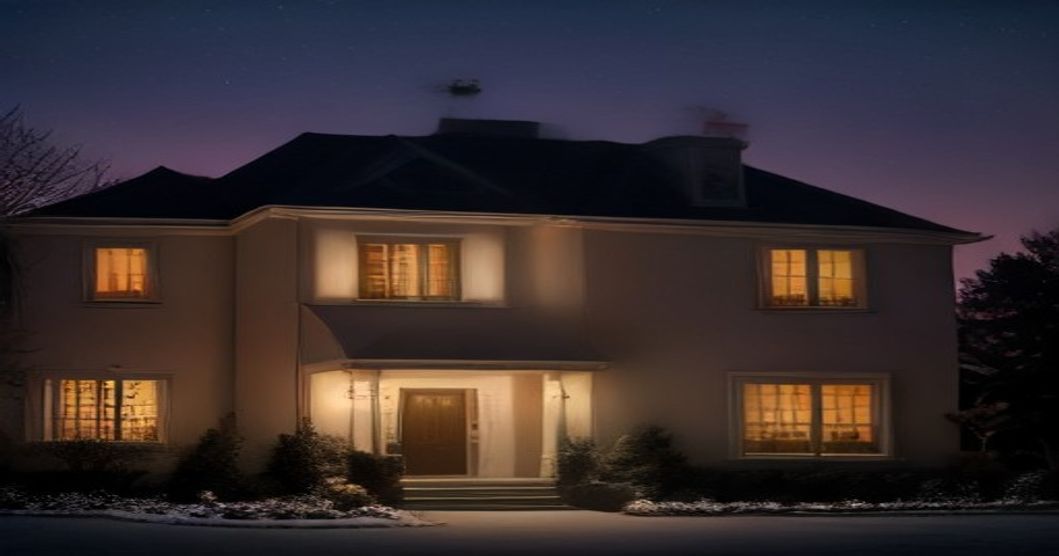
Run cleanly along the roofline, fascia, and porch edges, warm white C9 bulbs give a Toms River home that timeless American Christmas silhouette — the kind you can see from down the block as you turn off Fischer Boulevard. Want to see what that looks like in practice? Our project gallery shows shore homes lit exactly this way.
Mini Lights for Detail Work That Holds Up to Wind
While C9 bulbs handle the bold outlines, mini lights do the detailed, textural work that makes a display feel finished. Wrapped tightly around porch columns, woven through bay-front railings, and laced into foundation shrubs, mini lights add depth and sparkle that a roofline alone can't deliver.
The coastal challenge with mini lights is wind. Loosely strung lights flap, tangle, and pull free in a gust. Our installers wrap tightly and secure at intervals, so a 40-mph bay wind doesn't undo a day's work. We also favor commercial-grade mini light strands with heavier wire and better weather sealing than seasonal retail strands.
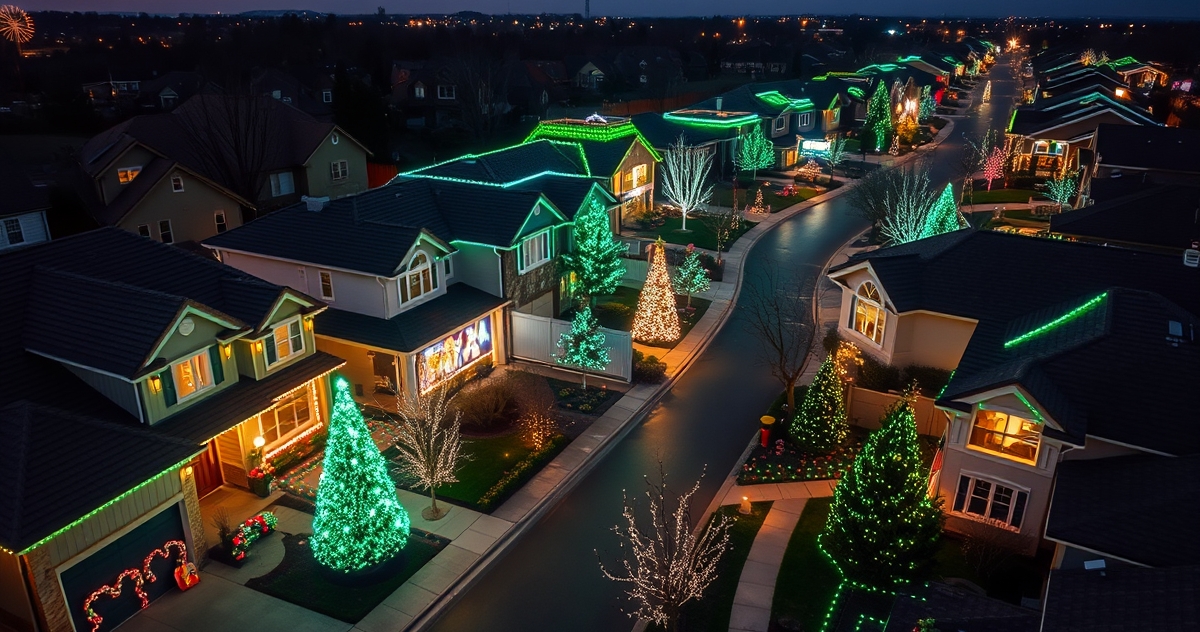
For Toms River homes, warm white mini lights paired with warm white C9s create a unified, upscale look. If you prefer a little nostalgia, multicolor mini lights bring a fun, family-friendly energy — the same charm we explore in our piece on vintage multicolor mini lights. Either way, the wrapping technique matters more than the color when you're fighting coastal wind.
Building a Weather-Resistant Display for the Jersey Shore
A shore-ready installation is about more than good bulbs. It's a system. Here's what goes into protecting your investment against salt, wind, and winter storms:
Sealed, Elevated Connections
Every plug junction is a vulnerability. We keep connections off the ground, away from pooling water, and sealed against moisture intrusion. Standing water from a coastal downpour should never reach a live connection.
Proper Wind Anchoring
Clips, not staples. C9 strands are secured with all-weather clips sized to your specific roofline and gutter type, so wind lift doesn't pull bulbs loose. Mini light runs are anchored at frequent intervals.
Commercial-Grade Materials
The same durability standards we bring to commercial properties apply to coastal homes. Heavier wire, sealed sockets, and LED bulbs rated for outdoor seasonal use all extend the life of the display. We dig deeper into this in our guide to weather-resistant installation across NJ seasons.
Mid-Season Check-Ins
Coastal weather is unpredictable. After a major storm, a quick professional check ensures everything stayed put and stayed lit. It's the difference between a display that fades and one that shines through New Year's.
Garlands, Wreaths, and the Finishing Touches
The roofline and shrubs set the stage, but the entry is where a Toms River home gets its personality. A pre-lit garland framing the front door, wound with warm white mini lights, instantly elevates the curb appeal. Add a full wreath on the door and matching bows — red velvet for classic warmth or gold satin for a more refined coastal-elegant look.
For bay-front homes with deep porches or wide railings, garlands draped along the rail rhythm create a continuous glow that ties the whole facade together. Bows act as the punctuation marks, adding color and craftsmanship at every focal point. If you're torn on bow styles, our breakdown of red velvet versus gold satin bows helps you decide what suits your home's tone.
When to Book Your Toms River Installation
Shore homes get busy fast in the lead-up to the holidays, and coastal installations require careful scheduling around weather windows. The smartest Toms River homeowners lock in their dates early — many start planning as early as summer. We explain the advantages of early booking in our guide to why June is the smartest month to schedule.
Our typical timeline runs like this:
- Summer: Design consultation and quote, mapping rooflines, shrubs, and entry features to your home.
- October: Installation season opens. Coastal homes often go early to beat the first nor'easters.
- November: Peak installation. Displays go live in time for Thanksgiving.
- December–January: Enjoy the season. We handle maintenance and storm check-ins.
- Post-season: Professional takedown and storage, so salt doesn't sit on your lights all year.
Whether you're outfitting a single-family home near the bay or a multi-unit property, our residential lighting team designs each display for your specific exposure and architecture.
Frequently Asked Questions
Do Christmas lights last as long in Toms River as they do inland?
They can, but only with the right materials and installation. Salt air corrodes cheap connections quickly. Commercial-grade LED C9 bulbs with sealed, elevated connections and proper wind anchoring hold up far better than retail strands. Professional installation plus mid-season check-ins makes the biggest difference at the shore.
What color lights look best on coastal Toms River homes?
Warm white is our most-requested choice for shore homes. It flatters weathered shingles, white trim, and nautical color schemes, and it reads beautifully through coastal fog and haze. Warm white C9 bulbs on the roofline paired with warm white mini lights on shrubs and railings create a cohesive, upscale glow.
Will strong bay winds pull my lights down?
Not with proper anchoring. We use all-weather clips sized to your roofline rather than staples, and we secure mini light runs at frequent intervals. Tight wrapping and elevated, sealed connections keep the display intact even during a coastal storm.
Should I leave my lights up year-round to save on reinstallation?
At the shore, we generally recommend seasonal takedown and storage so salt doesn't sit on your lights for months. That said, permanent lighting systems with marine-grade components are an option for some homes. We can walk you through the tradeoffs during a design consultation.
How early should I book my Toms River installation?
Earlier is always better. Summer is ideal for design and quoting, with installations beginning in October. Coastal homes often install early to stay ahead of nor'easters, so booking by late summer secures your preferred dates.
Your Toms River home deserves a display built for the coast — one that shrugs off salt air, holds firm against bay winds, and glows steadily from Thanksgiving to New Year's. Our team has been lighting New Jersey homes since 2006, and we bring shore-ready materials and techniques to every coastal installation. Request a free quote or contact us at (332) 333-1155 to start designing a display made to last where the salt air meets the lights.