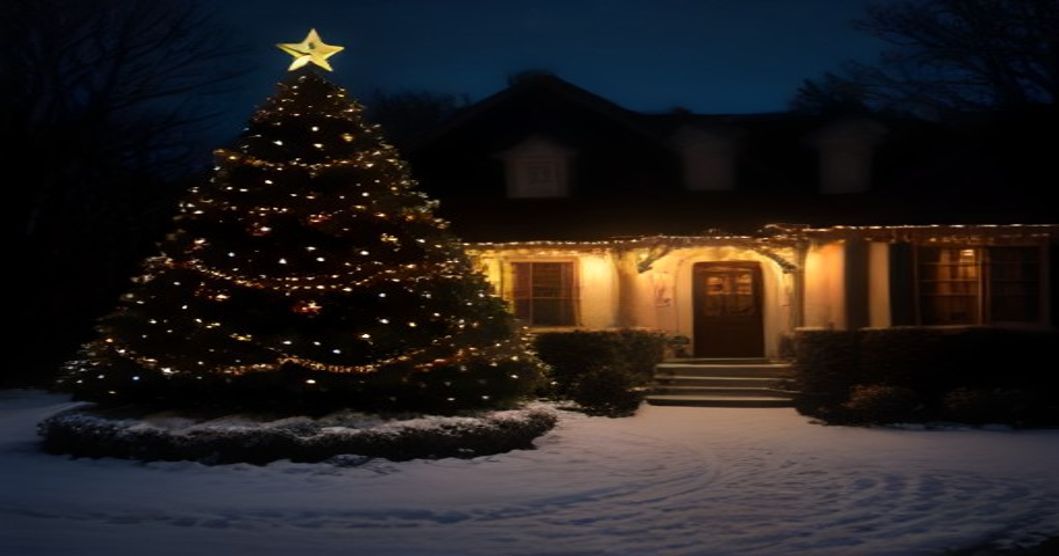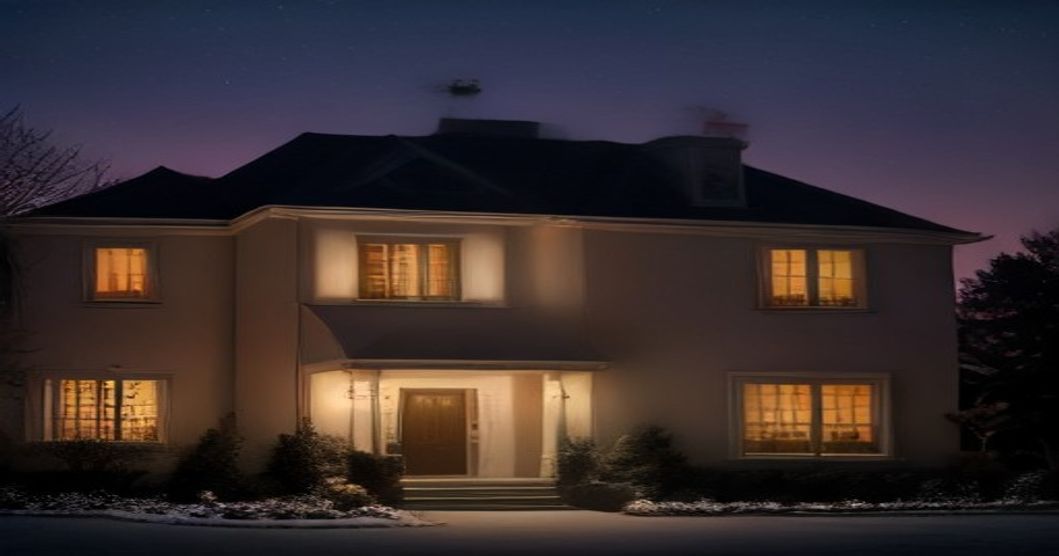
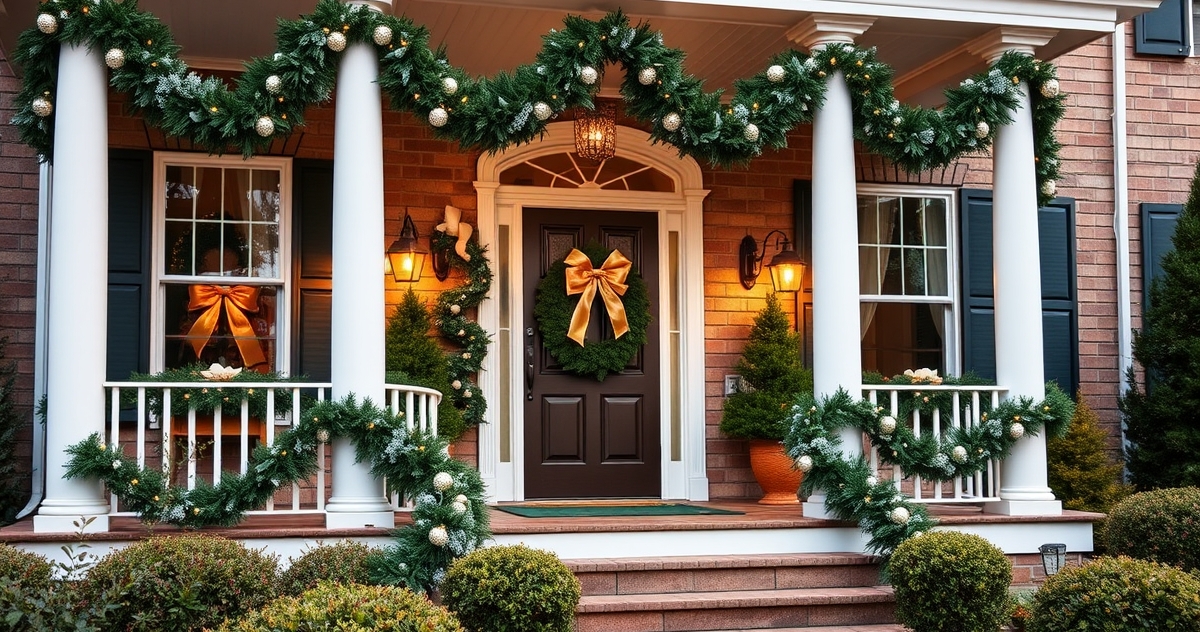
Drive down Hughes Street on a December evening and you'll understand why Cape May earns its reputation as the crown jewel of the Jersey Shore. The painted ladies stand shoulder to shoulder — turrets and gingerbread trim, wraparound porches and ornate brackets — each one glowing with warm white light that traces every architectural flourish. This is holiday lighting as it was meant to be: not a cluttered explosion of color, but a careful illumination that respects the bones of a 150-year-old home.
Lighting a Victorian in Cape May is its own discipline. These homes weren't built with floodlights and inflatables in mind. They were built to be admired detail by detail — and the best christmas lights cape may nj displays understand that the architecture itself is the decoration. Our job is simply to reveal it.
Why Cape May Demands a Different Lighting Approach
Cape May holds the distinction of being one of America's largest collections of preserved Victorian buildings — a National Historic Landmark City. With that designation comes a responsibility. The Emlen Physick Estate, the bed-and-breakfasts along Columbia Avenue, the seaside cottages near the promenade — these structures are living history, and their lighting should feel like it belongs to the era.
That means restraint. A classic Victorian roofline doesn't need seven colors competing for attention. It needs a single, warm tone that flatters the wood, the trim, and the period paint colors these homes are famous for. Warm white reads as soft candlelight — the closest modern equivalent to the gaslight era when these homes were first built. It complements the deep greens, dusty roses, and slate blues of authentic Victorian color schemes rather than fighting them.
The Victorian connection to American Christmas decorating runs deep. If you've ever wondered why we trim trees and hang garlands at all, the answer traces back to this exact period — a story we explore in our look at the Victorian origins of American Christmas decorating traditions.
C9 Bulbs: The Heart of a Period-Correct Roofline
For Cape May Victorians, the C9 bulb is the workhorse — and the star. These large, classic bulbs trace a roofline with substantial, evenly spaced points of light that read beautifully from the street and the sidewalk where Cape May's famous walking tours pass each evening.
In warm white LED, C9s deliver that gaslight glow while sipping a fraction of the energy incandescent versions once demanded. On a steep Victorian roof with multiple gables, dormers, and a tower, C9s define each plane of the structure. We follow the eaves, climb the gable peaks, and outline the porch fascia so the whole silhouette emerges from the dark.
The spacing matters enormously on these homes. Too tight and you lose the elegant rhythm; too wide and the roofline looks sparse. On a typical Cape May cottage we space C9s to echo the proportions of the architecture — a craft we've refined on upscale rooflines across the state, including the kind of work detailed in our Summit NJ C9 roofline guide.
Where C9s Belong on a Victorian
- Main roofline and eaves — the defining outline of the home
- Gable peaks and dormers — accentuating the vertical drama Victorians are known for
- Porch rooflines — wrapping that signature wraparound porch in warm light
- Tower and turret edges — the crowning detail on many Cape May homes
Mini Lights: Detailing the Gingerbread
Where C9s define the structure, mini lights handle the intricate work that makes Victorians so special. The gingerbread trim, the spindlework, the porch columns and railings — this is where mini lights shine, literally and figuratively.
We wrap porch posts in tight spirals of warm white mini lights, trace the ornate railing balusters, and accent the decorative brackets under the eaves. The smaller bulbs disappear into the architecture during the day and create a delicate, jewel-box effect at night. Combined with the bold statement of C9s above, you get layered lighting — bold structure, fine detail — that gives a Victorian its depth.
Mini lights are remarkably versatile beyond the holidays too, which is why so many Cape May innkeepers keep them up for off-season charm. We cover that flexibility in our piece on the creative uses of mini lights beyond Christmas decorating.
Battling the Salt Air: Coastal Installation Realities
Cape May sits at the very tip of New Jersey, surrounded on three sides by water. That stunning location comes with a serious lighting challenge: salt air. Coastal humidity and sea spray corrode connections, dull finishes, and shorten the life of lights that weren't installed with the marine environment in mind.
Period-correct beauty means nothing if your display fails by mid-December. We use sealed, weather-rated connections, marine-grade clips, and corrosion-resistant hardware on every shore installation. Bulbs are seated and sealed to keep moisture out, and we plan cable runs to avoid pooling water on flat porch surfaces.
We've written extensively about protecting your investment in these conditions — see our guide to salt air challenges in NJ shore communities and our broader overview of weather-resistant installation across NJ seasons. For a town like Cape May, this isn't optional — it's the difference between a display that glows all season and one that flickers out after the first nor'easter.
Residential Charm Meets Commercial Hospitality
Cape May is unique in that so many of its grand Victorians serve double duty as inns, B&Bs, and event venues. The lighting has to work on two levels: it must charm the homeowner and welcome the paying guest.
For private residential Victorians, we keep the design intimate and authentic — warm white throughout, focused on revealing the home's architecture. For the inns and hospitality properties, our commercial lighting services add a layer of curb appeal that drives bookings during the holiday tourism rush. A beautifully lit B&B on Columbia Avenue isn't just decorated — it's marketed, every single evening, to everyone strolling past.
The science behind why warm white works so well for both is worth understanding. The color temperature of your lighting genuinely changes how a home feels, a topic we break down in our article on the science of warm versus cool white holiday lighting.
Planning a Cape May Display: Timing and Process
Historic homes reward planning. A proper Cape May installation begins with a design consultation where we assess the architecture, map the rooflines and trim, and choose the right mix of C9s and mini lights for the specific home. We document power access, plan for the salt air, and confirm the warm white palette that suits the property's color scheme.
Because Cape May's holiday season draws visitors from across the region — and because installation windows are tight before the December rush — we encourage homeowners and innkeepers to book early. The most beautiful displays are the planned ones, never the rushed ones. Our overview of the professional design consultation process walks through exactly what to expect.
You'll also want to consider whether to take on the work yourself or hire professionals — especially given the height of Victorian rooflines and the coastal complications. We compare the real costs in our DIY versus pro C9 lighting cost analysis.
Frequently Asked Questions
What color lights are best for a Cape May Victorian?
Warm white is the gold standard for Cape May's historic homes. It mimics the soft glow of the gaslight era these Victorians were built in and complements the authentic period paint colors — deep greens, dusty roses, slate blues — without overwhelming them. We use warm white C9 bulbs on the roofline and warm white mini lights on the trim and porch details for a cohesive, period-correct look.
Will salt air from the ocean damage my Christmas lights?
It can, if the lights aren't installed for a coastal environment. Cape May's salt air corrodes standard connections and hardware over a single season. We use sealed weather-rated connections, marine-grade clips, and corrosion-resistant materials on every shore installation so your display stays bright all season long despite the humidity and sea spray.
Can you light a multi-story Victorian with turrets and steep roofs?
Absolutely — these homes are our specialty. Steep gables, dormers, towers, and wraparound porches all benefit from professional installation with proper equipment and safety practices. We trace C9 bulbs along the main rooflines and peaks, then add mini lights to the gingerbread trim and porch spindlework for full architectural detail.
When should I book my Cape May holiday lighting installation?
As early as possible. Cape May is a major holiday tourism destination, which means installation windows fill up fast and the December weather grows unpredictable. We recommend booking in late summer or early fall to secure your preferred installation date and lock in the design before the seasonal rush.
Do you light both private homes and bed-and-breakfasts in Cape May?
Yes. We serve private residential Victorians as well as the many inns, B&Bs, and event properties that make Cape May famous. Hospitality properties especially benefit from professional lighting that drives curb appeal and holiday bookings during the busy season.
Cape May's Victorians are some of the most beautiful homes in America, and they deserve lighting worthy of their history. Whether you own a private painted lady or run a seaside inn, our team brings period-correct warm white displays, salt-air-ready installation, and a craftsman's eye for architectural detail. Request a quote or contact us at (332) 333-1155 to start planning a display that honors your home's history and glows all season long.