The dinner rush at Marco's Pizzeria used to end at sunset. Now, with warm white C9 bulbs outlining the storefront and cool white mini lights wrapped around the outdoor seating area's pergola, customers linger well into the evening. The transformation didn't happen by accident — it's the result of strategic commercial spring lighting that turns every night into prime business hours.
Smart New Jersey business owners understand that lighting isn't just decoration — it's a revenue driver. When the days grow longer and customers emerge from winter hibernation, professional outdoor lighting creates the perfect environment for extended shopping, dining, and entertainment.
The Business Case for Commercial Spring Lighting
Spring marks a critical transition period for New Jersey businesses. After months of early sunsets and weather-driven foot traffic, customers are ready to spend more time outdoors. The businesses that capture this shift with strategic lighting see immediate results in their bottom line.
Consider the numbers: extending your viable business hours by just two hours per evening can increase daily revenue by 25-40%, depending on your industry. Restaurants see customers ordering appetizers and desserts they might skip in a dimly lit environment. Retail stores experience impulse purchases from window shoppers who can actually see merchandise displays after dark.
The psychological impact is equally powerful. Well-lit commercial spaces signal safety, quality, and professionalism. Customers associate bright, welcoming exteriors with positive experiences inside. This perception translates directly into foot traffic, dwell time, and spending patterns.
Professional commercial lighting installation ensures your investment delivers maximum return. Unlike residential decorative lighting, commercial applications require specific considerations: durability for high-traffic areas, compliance with local ordinances, and strategic placement that enhances both security and ambiance.
Strategic Placement for Maximum Customer Appeal
Effective commercial spring lighting goes far beyond randomly stringing lights across a storefront. Professional installation focuses on three key zones that guide customer behavior and create compelling visual experiences.
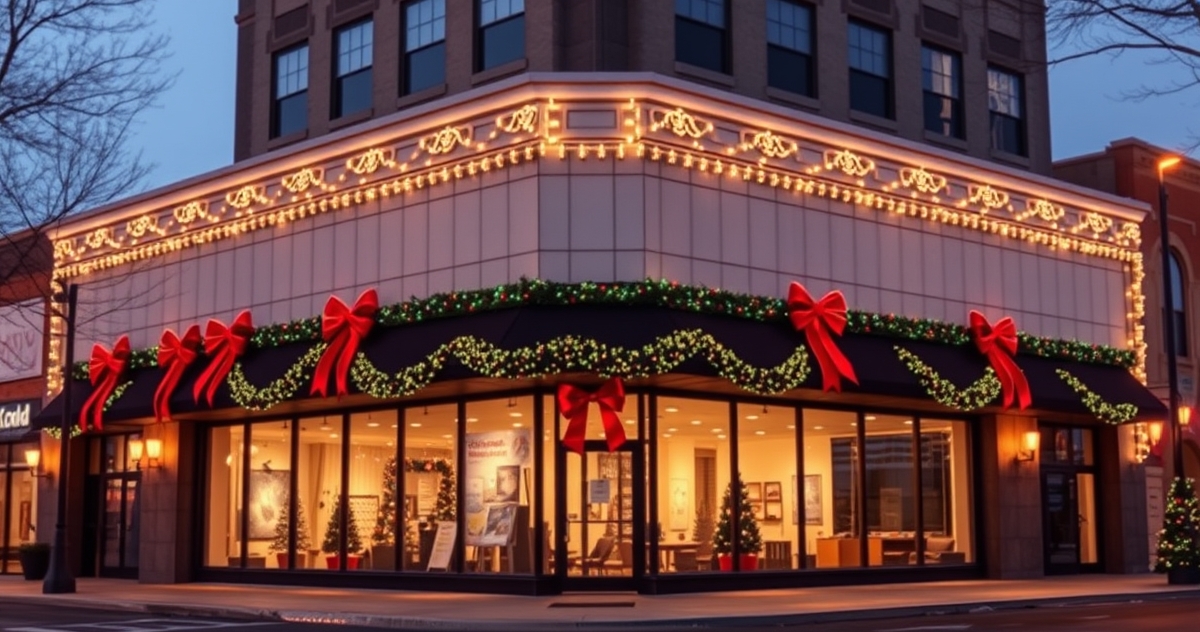
**Entrance Enhancement** forms the foundation of any successful commercial lighting strategy. Cool white C9 bulbs around doorways and windows create clear focal points that draw attention from passing traffic. The crisp, modern appearance of cool white works particularly well for professional services, tech companies, and contemporary retail spaces.
**Perimeter Definition** uses mini lights to outline building edges, wrap columns, and highlight architectural features. This technique expands your visible presence and creates depth that makes smaller buildings appear more substantial. Warm white mini lights work beautifully for restaurants, cafes, and hospitality businesses where comfort and warmth are priorities.
**Landscape Integration** connects your building to its surroundings through strategic tree wrapping and garden bed illumination. This approach is particularly effective for businesses with outdoor seating areas, event spaces, or retail locations where customers appreciate a pleasant approach and departure experience.
Professional designers understand how different light temperatures affect customer psychology. Cool white creates energy and focus — perfect for retail environments where you want customers alert and engaged. Warm white promotes relaxation and social interaction — ideal for restaurants and entertainment venues where longer stays benefit your business.
Traffic Flow Optimization
Smart commercial lighting guides customers naturally through your space. Properly placed fixtures create visual pathways that lead from parking areas to entrances, highlight key features like signage or promotional displays, and encourage customers to explore your entire property.
The most successful installations incorporate multiple lighting layers. Ambient lighting provides overall illumination for safety and visibility. Task lighting highlights specific areas like outdoor menus or product displays. Accent lighting creates visual interest and draws attention to architectural details or branding elements.
Seasonal Color Transitions That Drive Business
One of the most powerful advantages of professional commercial lighting systems is the ability to adapt colors and patterns throughout the year. Spring offers unique opportunities to transition from winter's stark whites and holiday themes to fresh, energetic color schemes that reflect seasonal optimism.
**Easter and Spring Celebrations** create natural marketing opportunities. Soft pastels and fresh whites can transform your exterior for Easter weekend, Mother's Day, and spring graduation season. Many New Jersey businesses see significant revenue spikes during these events, particularly restaurants hosting special dinners and retail stores promoting spring merchandise.
**Memorial Day Weekend Preparation** marks the unofficial start of summer business season. Transitioning to red, white, and blue themes positions your business for the peak months ahead while demonstrating community engagement and patriotic pride.
The key is planning these transitions professionally. Color-changing LED systems allow for smooth transitions without complete reinstallation. However, the most impactful displays often combine permanent warm or cool white base lighting with seasonal accent elements that can be easily modified.
Consider how color psychology affects customer behavior in your specific industry. Financial services and medical practices benefit from stable, professional cool white lighting year-round. Entertainment venues and restaurants can embrace more dramatic seasonal changes that create excitement and encourage repeat visits.
Event-Driven Lighting Strategies
New Jersey's robust event calendar provides countless opportunities for businesses to leverage seasonal lighting. Spring graduation season drives family dining and gift shopping. Local festivals and community celebrations increase foot traffic in downtown areas.
Smart business owners coordinate their lighting with these events. A restaurant near a high school might transition to school colors during graduation week. Retail stores can emphasize spring merchandise with fresh, energetic lighting schemes that make window displays pop after dark.
Professional Maintenance Programs for Consistent Appeal
The most beautifully designed commercial lighting system fails if maintenance is neglected. Unlike residential installations that might tolerate a few burned-out bulbs, commercial applications demand consistent, professional appearance every single night.
Professional maintenance programs address the unique challenges of commercial lighting. Higher usage rates, weather exposure, and the need for consistent brand presentation require specialized attention. Spring maintenance schedules are particularly critical as systems transition from winter weather stress to increased usage during longer days.
**Preventive Maintenance** includes regular inspections, bulb replacement before failure, and electrical system checks. Professional services can identify potential problems before they affect your business operations. This proactive approach prevents the embarrassment of dark sections during peak business hours.
**Emergency Response** capabilities ensure that lighting problems are resolved quickly when they do occur. Commercial clients need service providers who understand that a dark storefront on Friday night represents immediate revenue loss, not just an aesthetic problem.
**Seasonal Upgrades** keep your lighting current with technology advances and design trends. LED efficiency improvements, smart control options, and new color capabilities can enhance your investment's performance and reduce operating costs.
The most successful maintenance programs include regular performance reviews. Professional lighting companies track energy usage, analyze customer feedback, and recommend adjustments that improve both appearance and efficiency. This data-driven approach ensures your lighting investment continues delivering strong returns year after year.
Technology Integration and Smart Controls
Modern commercial lighting systems benefit tremendously from smart control integration. Automated timers ensure lights activate exactly when needed without requiring daily staff attention. Dimming capabilities allow businesses to adjust intensity based on time of day, weather conditions, or special events.
Some New Jersey businesses have implemented smart lighting systems that integrate with their point-of-sale systems, automatically brightening when customer traffic increases and dimming during slower periods to reduce energy costs.
ROI Analysis: Measuring Commercial Lighting Success
Smart business owners demand measurable returns from every investment, and commercial lighting delivers quantifiable results across multiple metrics. Understanding these measurements helps justify the initial investment and optimize ongoing performance.
**Sales Performance** provides the most direct measurement. Compare evening sales figures before and after lighting installation. Most New Jersey restaurants and retail stores see 15-35% increases in after-sunset revenue within the first month of professional lighting installation.
**Customer Dwell Time** increases significantly in well-lit environments. Longer visits typically correlate with higher per-transaction spending. This metric is particularly important for businesses like bookstores, cafes, and specialty retail where browsing time directly impacts sales.
**Foot Traffic Analysis** reveals how lighting affects customer behavior patterns. Many businesses discover that professional lighting attracts customers who previously drove past after dark. Security cameras and traffic counters can provide concrete data about these improvements.
**Energy Efficiency** calculations become increasingly important as businesses focus on operational costs and environmental responsibility. Modern LED systems typically reduce lighting energy costs by 60-80% compared to traditional options while providing superior illumination quality.
Professional lighting consultants help businesses establish baseline measurements and tracking systems that demonstrate ongoing value. This data proves invaluable for budget planning, expansion decisions, and marketing strategy development.
Competitive Advantage in Local Markets
In competitive New Jersey business districts, professional lighting creates immediate differentiation. Customers naturally gravitate toward well-lit, welcoming establishments over dimly lit alternatives. This preference becomes particularly pronounced during evening hours when lighting quality often determines which businesses customers notice and enter.
The most successful commercial lighting installations complement existing marketing efforts while creating their own promotional value. A beautifully lit storefront becomes a 24/7 advertisement that works even when your business is closed, building brand recognition and customer anticipation for future visits.
Frequently Asked Questions
What's the typical ROI timeline for commercial outdoor lighting investment?
Most New Jersey businesses see positive returns within 3-6 months of professional lighting installation. Restaurants and retail stores often notice increased evening revenue within the first few weeks, while service businesses may take longer to realize benefits through improved brand recognition and customer perception.
How does commercial lighting affect my property insurance rates?
Professional outdoor lighting typically reduces commercial property insurance costs by improving security and reducing liability risks. Well-lit properties experience fewer accidents, break-ins, and vandalism incidents. Contact your insurance provider to discuss potential premium reductions after installation.
Can commercial lighting systems integrate with existing security cameras and alarms?
Yes, modern commercial lighting systems work seamlessly with security infrastructure. Smart controls can activate lighting when motion sensors detect activity, and illumination levels can be optimized for camera performance. This integration enhances both security effectiveness and energy efficiency.
What maintenance schedule works best for commercial lighting systems?
Professional maintenance every 90 days ensures optimal performance for most commercial applications. High-traffic businesses or coastal New Jersey locations may benefit from more frequent service. Salt air conditions require specialized attention for businesses near the coast.
How do I choose between warm white and cool white for my business?
Cool white lighting works best for professional services, retail stores, and businesses where energy and focus are priorities. Warm white creates better ambiance for restaurants, hospitality venues, and businesses where comfort and relaxation encourage longer customer stays. Many successful installations combine both temperatures strategically.
Professional commercial lighting transforms New Jersey businesses from daytime-only operations into evening destinations that attract customers and drive revenue long after sunset. The combination of strategic placement, seasonal adaptability, and professional maintenance creates lasting competitive advantages that benefit your bottom line year after year.
Ready to illuminate your business success? Contact our commercial lighting specialists to schedule a consultation and discover how professional spring lighting can transform your customer experience and boost evening sales. Let's create a lighting strategy that makes your business shine brighter than the competition.